By Max Rovegno
How Hosting the NFL’s Biggest Game Boosted the Local Economy
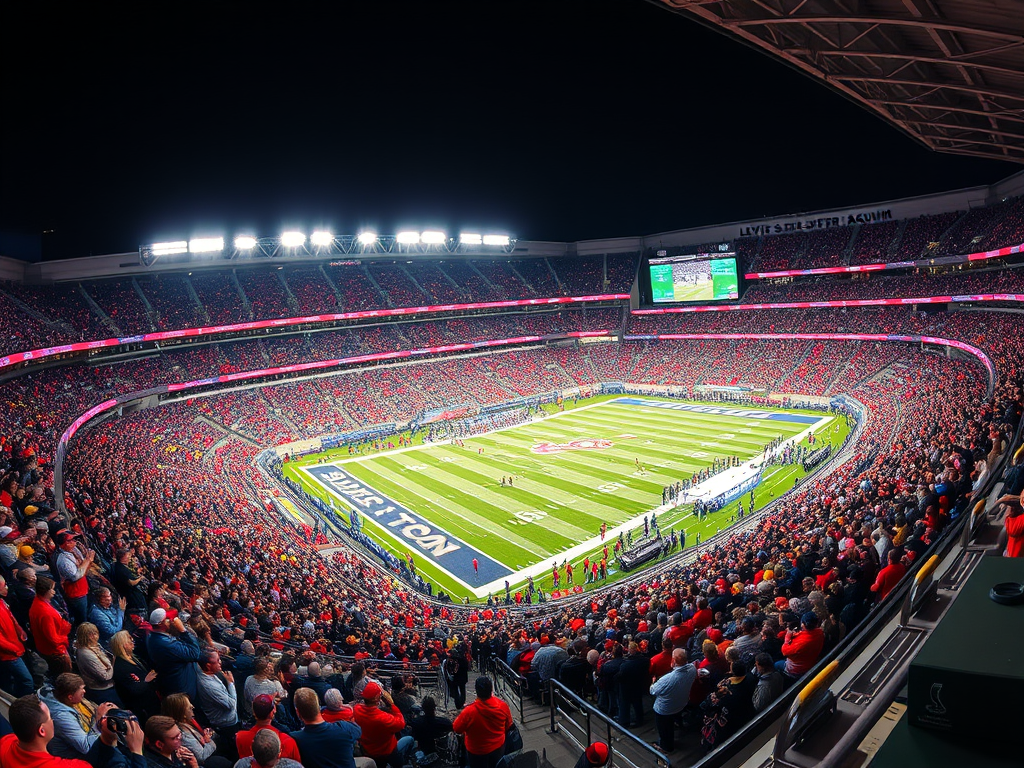
When Santa Clara hosted the Super Bowl at Levi’s Stadium, the event delivered far more than a championship football game. It generated a measurable economic impact across Silicon Valley, driving tourism spending, job creation, infrastructure investment, and long‑term brand recognition. For Santa Clara, the Super Bowl served as both a short‑term economic catalyst and a long‑term investment in growth. This article is bittersweet for Max Rovegno – a long-time 49er fan!
Tourism and Visitor Spending
The most immediate economic impact of the Super Bowl came from tourism. Tens of thousands of visitors—including fans, corporate sponsors, media members, and NFL personnel—traveled to Santa Clara and the surrounding Bay Area. Hotel occupancy rates surged, with room prices reaching peak levels during Super Bowl week. Restaurants, bars, ride‑share services, and retail establishments saw a sharp increase in revenue as visitors filled local businesses before and after game day.
Although the game itself was hosted in Santa Clara, the economic ripple effect extended well beyond city limits. Nearby cities such as San Jose, Palo Alto, and San Francisco all benefited from increased visitor spending, highlighting how major sporting events can lift an entire regional economy.
Job Creation and Small Business Growth
Hosting the Super Bowl requires significant manpower. The event created thousands of temporary jobs in hospitality, stadium operations, transportation, security, logistics, and event coordination. For many local workers, these roles provided short‑term income boosts during one of the busiest weeks of the year.
Small businesses were among the biggest beneficiaries. Increased foot traffic translated into higher sales volumes, leading many businesses to expand hours, hire additional staff, or scale up inventory. While many Super Bowl‑related jobs are temporary, the financial injection into the local economy is real and impactful.
Infrastructure Investment and Long‑Term Benefits
Preparing for the Super Bowl also accelerated infrastructure improvements around Levi’s Stadium. Transportation coordination, public safety enhancements, and venue upgrades helped Santa Clara prove it could successfully host large‑scale global events. These improvements continue to deliver long‑term value by attracting concerts, championships, and major conventions.
Global Exposure and City Branding
Beyond direct spending, the Super Bowl delivered massive marketing value. With hundreds of millions of viewers worldwide, Santa Clara received global exposure that would be difficult—or extremely costly—to replicate through traditional advertising. This visibility strengthened the city’s brand and reinforced the Bay Area’s reputation as a world‑class destination for sports and business.
Final Thoughts
While hosting the Super Bowl requires careful planning and substantial investment, Santa Clara’s experience shows the upside can be significant. From tourism revenue and employment gains to infrastructure improvements and global recognition, the Super Bowl generated lasting economic value—long after the final whistle.
 Max Rovegno
Leave a comment